


As a digital nomad, I’ve spent countless hours researching the best ways to work and travel legally. Trust me, navigating the world of visas can be as daunting as finding reliable Wi-Fi in a remote village! But fear not, fellow wanderers – I’ve got your back.
In this guide, I’ll take you on a whirlwind tour of the Digital Nomad Visa 2024 landscape. We’ll explore the latest and greatest options that countries are offering to lure in remote workers like us. Whether you’re dreaming of coding on a Caribbean beach or writing your next bestseller in a European café, I’ve got the insider scoop on making it happen.
From fresh-off-the-press visa programs to tried-and-true favorites, we’ll dive into:
- The hottest new countries rolling out the red carpet for digital nomads
- A no-nonsense comparison of the most popular visa options
- My personal tips for choosing the visa that’ll best suit your nomadic lifestyle
- Sneaky strategies for extending your stay (legally, of course!)
So, grab your laptop, order another flat white, and let’s embark on this visa adventure together. By the end of this article, you’ll be armed with all the knowledge you need to make your Digital Nomad Visa 2024 dreams a reality. Ready to turn the world into your office? Let’s go!
Section 1: What is a Digital Nomad Visa?
Definition
A digital nomad visa is a special type of visa that allows people who work online to live in a different country for a while. This means you can do your job remotely, like from a beach in Portugal or a café in Croatia, instead of an office in your home country.
Purpose
These visas are becoming more popular because more people are working online. With a digital nomad visa, you can legally stay in a country while doing your job remotely. This way, you get to explore new places, experience different cultures, and enjoy a change of scenery without breaking any laws.
Benefits
Here are some of the main benefits of having a digital nomad visa:
- Legal Residency: You can live in a different country legally while you work online.
- Travel Opportunities: You get to explore new countries and cities while still doing your job.
- Networking: You can meet other digital nomads and make new friends from around the world.
- Better Work-Life Balance: Working from beautiful places can make your job more enjoyable and less stressful.
Section 2: Top Countries Offering Digital Nomad Visas in 2024
Country 1: Portugal

Overview
Portugal is rapidly becoming a top destination for digital nomads thanks to its mild climate, stunning landscapes, and rich cultural heritage. The country offers an appealing blend of modern amenities and historic charm, making it an ideal base for remote workers. With the introduction of the Digital Nomad Visa 2024, Portugal is making it easier than ever for digital nomads to live and work within its borders.
Visa Requirements
To qualify for Portugal’s Digital Nomad Visa, applicants must meet the following criteria:
- Proof of Remote Work: Documentation showing that you are employed or operate a business remotely.
- Minimum Income Requirement: Proof of a steady income that meets the minimum threshold set by Portuguese authorities.
- Health Insurance Coverage: Valid health insurance that covers you during your stay in Portugal.
Application Process
Applying for the Digital Nomad Visa in Portugal involves several steps:
- Gather Necessary Documents: Collect all required documents, including proof of remote work, income statements, and health insurance.
- Submit an Online Application: Complete and submit your application through the Portuguese consulate website.
- Await Approval: Once your application is submitted, wait for approval. This process typically takes a few weeks.
- Prepare for Relocation: Once approved, make arrangements for your move to Portugal, including finding accommodation and setting up local services.
Benefits
The Digital Nomad Visa 2024 offers several advantages:
- Healthcare Access: Gain access to Portugal’s high-quality healthcare system.
- Extended Stay: Stay in Portugal for up to one year with the possibility of renewal.
- Cultural Exploration: Enjoy the opportunity to explore Portugal’s rich history, vibrant culture, and breathtaking coastlines.
Relevant Resources
For more detailed information and resources, check out the following links:
- Global Citizen Solutions – Digital Nomad Visa Portugal
- Expatriate Community in Portugal
- Portugal Buyers Agent – Real Estate Market Overview
Country 2: Croatia
Overview
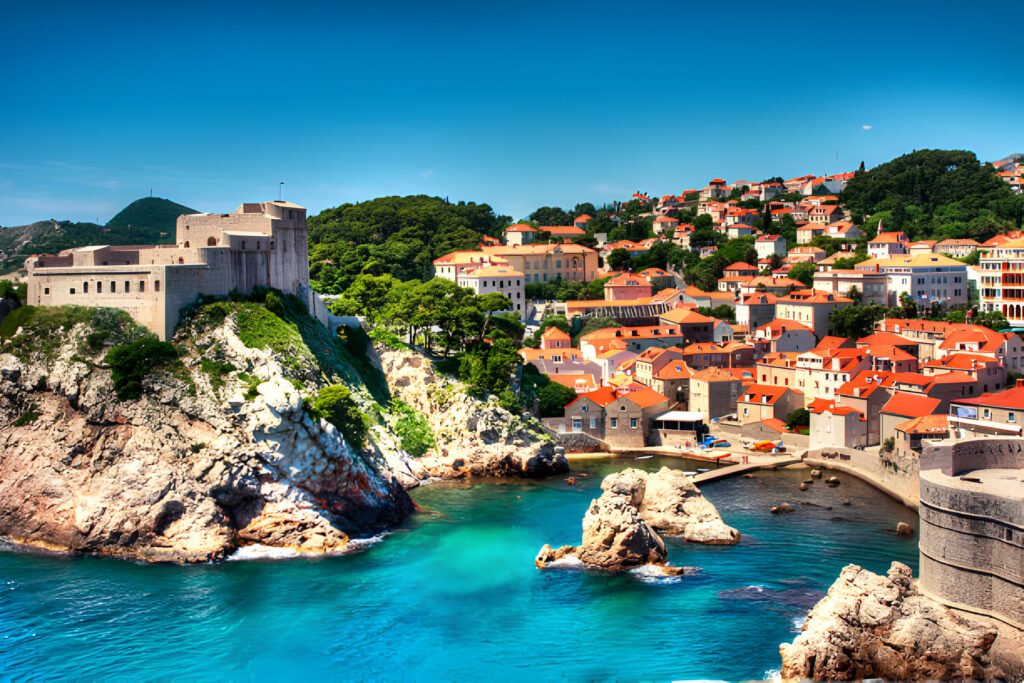
Croatia has made significant investments to become an attractive destination for digital nomads, offering a unique blend of scenic beauty, historic charm, and affordable living. With the introduction of the Digital Nomad Visa 2024, Croatia is opening its doors to remote workers seeking a balanced lifestyle in a picturesque setting.
Visa Requirements
To qualify for Croatia’s Digital Nomad Visa, applicants must meet the following criteria:
- Proof of Remote Employment: Documentation showing that you are employed or operate a business remotely.
- Income Statement: Proof of a steady income sufficient to support your stay in Croatia.
- Health Insurance Policy: Valid health insurance that covers your stay in Croatia.
Application Process
Applying for the Digital Nomad Visa in Croatia involves the following steps:
- Gather Required Documents: Collect all necessary documents, including proof of remote employment, income statements, and health insurance.
- Apply Through the Croatian Ministry of Interior: Submit your application via the Croatian Ministry of Interior.
- Wait for Visa Approval: Once your application is submitted, await approval. This process typically takes a few weeks.
Benefits
The Digital Nomad Visa 2024 offers several advantages:
Scenic Beauty: Enjoy access to Croatia’s stunning coastline, historic sites, and natural parks.
Affordable Living: Benefit from Croatia’s affordable cost of living, making it an attractive option for remote workers.
Temporary Residence: Stay in Croatia for up to one year with the possibility of renewal.
Country 3: Malta

Overview
Malta, a gem in the Mediterranean, offers a Digital Nomad Visa tailored for remote workers seeking a blend of warm climate, vibrant culture, and picturesque landscapes. This small but dynamic island nation is becoming a hotspot for digital nomads looking to balance work with an enriching lifestyle.
Visa Requirements
To qualify for Malta’s Digital Nomad Visa, applicants must meet the following criteria:
- Proof of Remote Work: Documentation proving current remote employment or freelance work.
- Minimum Income Threshold: Evidence of a stable income that meets the minimum requirement set by Maltese authorities.
- Health Insurance: A valid health insurance policy covering your stay in Malta.
Application Process
Applying for Malta’s Digital Nomad Visa involves the following steps:
- Compile Necessary Documents: Gather all required documents, including proof of remote work, income statements, and health insurance.
- Submit the Application: Submit your application at Malta’s visa application center or online via the Malta Residency Visa Agency.
- Await Approval: Once your application is submitted, await approval. This process typically takes a few weeks.
Benefits
The Malta Digital Nomad Visa offers several enticing benefits:
- Extended Stay: Reside in Malta for up to one year with the possibility of renewal.
- Healthcare Access: Gain access to Malta’s robust healthcare services.
- Mediterranean Lifestyle: Immerse yourself in the Mediterranean lifestyle, enjoying Malta’s stunning beaches, historic sites, and vibrant culture.
Relevant Link
For more detailed information, visit Global Citizen Solutions – Malta Digital Nomad Visa.
Country 4: South Korea

Overview: South Korea’s Digital Nomad Visa
South Korea’s Digital Nomad Visa is a gateway for remote workers to immerse themselves in a country renowned for its rich cultural heritage and cutting-edge technology. This visa offers digital nomads the unique opportunity to blend professional commitments with an exploration of South Korea’s vibrant traditions and modern advancements.
Visa Requirements
To qualify for South Korea’s Digital Nomad Visa, applicants must fulfill the following criteria:
- Proof of Remote Employment: Documentation confirming current remote work or freelance engagements.
- Minimum Income Requirements: Evidence of a stable income that meets the minimum threshold set by South Korean authorities.
- Health Insurance Coverage: A valid health insurance policy that covers your stay in South Korea.
Application Process
The application process for the South Korea Digital Nomad Visa involves several steps:
- Gather Required Documents: Collect all necessary documents, including proof of remote employment, income statements, and health insurance coverage.
- Apply Through the South Korean Immigration Office: Submit your application either online or at a South Korean immigration office.
- Await Visa Approval: After submission, wait for the visa approval, which typically takes a few weeks.
Benefits
The South Korea Digital Nomad Visa provides numerous benefits:
Cultural Exploration: Experience a blend of traditional and modern attractions, from historic palaces to bustling tech hubs.
Extended Stay: Live and work in South Korea for up to three years.
Healthcare Access: Access South Korea’s advanced healthcare system.
Country 5: Malaysia

Overview
Malaysia presents a compelling option for digital nomads with its Digital Nomad Visa, offering an appealing blend of diverse culture and cost-effective living.
Visa Requirements
To be eligible for Malaysia’s Digital Nomad Visa, applicants must meet the following criteria:
- Proof of Remote Work: Documentation verifying current remote employment or freelance engagements.
- Minimum Income Requirement: Evidence of a stable income that meets the minimum threshold set by Malaysian authorities.
- Health Insurance: A valid health insurance policy covering your stay in Malaysia.
Application Process
The application process for Malaysia’s Digital Nomad Visa involves several key steps:
- Gather Necessary Documents: Collect all required documents, including proof of remote work, income statements, and health insurance coverage.
- Submit the Application: Apply through Malaysia’s immigration department, either online or in-person.
- Await Approval: After submission, wait for the visa approval, which usually takes a few weeks.
Benefits
Malaysia’s Digital Nomad Visa offers numerous advantages:
- Extended Stay: Live and work in Malaysia for up to one year.
- Healthcare Access: Utilize Malaysia’s healthcare services.
- Cultural and Natural Exploration: Experience Malaysia’s diverse culture and stunning natural landscapes.
Section 3: How to Apply for a Digital Nomad Visa
Step-by-Step Guide: Detailed Steps on How to Apply
Step 1: Research and Choose the Country
- Identify Your Preferences: Consider factors such as climate, cost of living, internet infrastructure, and cultural attractions.
- Review Visa Options: Look into the specific requirements and benefits of digital nomad visas in various countries.
- Consult Authoritative Sources: Use reliable websites and government portals to gather accurate information.
Relevant Links:
Step 2: Gather Required Documents
- Proof of Employment: Documentation showing that you are employed or operate a business remotely.
- Income Proof: Bank statements or pay slips to prove you meet the minimum income requirement.
- Health Insurance: Proof of valid health insurance coverage.
- Additional Documents: Depending on the country, you may need to provide a criminal background check, passport photos, and a completed application form.
Relevant Links:
Step 3: Submit the Application
- Online Submission: Most countries allow you to submit your application online through their immigration or consulate websites.
- In-Person Submission: In some cases, you may need to visit an embassy or consulate to submit your documents.
- Application Fees: Pay any required fees as part of the application process.
Relevant Links:
Step 4: Wait for Approval
- Processing Time: The processing time can vary from a few weeks to several months.
- Follow Up: Stay updated on the status of your application and respond promptly to any requests for additional information.
Step 5: Prepare for Relocation
- Plan Your Move: Arrange for housing, transportation, and any other logistics.
- Cultural Preparation: Learn about the local customs and language to ease your transition.
- Stay Connected: Join online communities of digital nomads in your destination country for support and networking.
Common Pitfalls: Tips to Avoid Common Mistakes During the Application Process
- Incomplete Documentation: Ensure all required documents are complete and up-to-date to avoid delays.
- Ignoring Income Requirements: Make sure you meet the minimum income threshold specified by the country.
- Overlooking Health Insurance: Secure comprehensive health insurance that meets the country’s requirements.
- Last-Minute Applications: Start the application process well in advance to account for any unexpected delays.
- Lack of Research: Thoroughly research the visa requirements and benefits of your chosen country to ensure it aligns with your lifestyle and work needs.
Section 4: Requirements for Digital Nomad Visas
General Requirements: Common Requirements That Most Countries Have
- Proof of Income
- Minimum Income Threshold: Many countries require digital nomads to demonstrate a stable and sufficient income to support themselves. This can be proven through bank statements, pay slips, or contracts.
- Health Insurance
- Comprehensive Coverage: Applicants must often provide proof of health insurance that covers medical expenses in the host country.
- Employment Verification
- Remote Work Proof: Documentation confirming that the applicant is employed remotely or runs a location-independent business.
- Clean Criminal Record
- Background Check: Some countries require a police clearance certificate to ensure the applicant has no criminal history.
- Valid Passport
- Passport Validity: A passport that is valid for at least six months beyond the intended stay is typically required.
Country-Specific Requirements: Highlight Unique Requirements for Specific Countries
- Turkey
- Exit Visa: In addition to an entry visa, Turkey requires an exit visa for certain travelers, including its citizens and some foreign nationals, to leave the country.
- Portugal
- Temporary Protection Directive: Most EU Member States, including Portugal, have implemented this directive, which may affect the initial application process for eligible individuals.
- Japan
- Specific Entry Requirements: Japan has detailed entry requirements and visa types, making it crucial to gather all necessary documents early in the application process.
- Italy
- Digital Nomad Visa: Italy offers a specific visa for digital nomads, with requirements such as proof of remote work and sufficient income.
- Vietnam
- ASEAN Requirements: Vietnam has specific visa requirements for expats and digital nomads, particularly those from ASEAN countries.
Documentation: List of Essential Documents Needed for the Application
- Proof of Income
- Bank statements
- Pay slips
- Employment contracts
- Health Insurance
- Insurance policy documents
- Proof of coverage in the host country
- Employment Verification
- Letter from employer
- Business registration documents (for self-employed)
- Clean Criminal Record
- Police clearance certificate
- Valid Passport
- Passport copy
- Passport photos
- Application Form
- Completed visa application form
- Additional Documents
- Depending on the country, additional documents such as travel itinerary, accommodation proof, and exit visa (for countries like Turkey) may be required.
Section 5: Pros and Cons of Digital Nomad Visas

Pros: Flexibility, Legal Residency, Access to Services, etc.
- Flexibility
- Work from Anywhere: Digital Nomad Visa 2024 allows remote workers to live in a different country while continuing their employment or business activities without the need for a traditional work visa.
- Travel Freedom: Many visas offer the flexibility to travel within the region or multiple entries, making it easier for digital nomads to explore new places.
- Legal Residency
- Stay Legally: One of the main benefits of a Digital Nomad Visa 2024 is the ability to reside legally in a foreign country, avoiding the risk of overstaying a tourist visa.
- Long-Term Options: Some countries offer pathways to long-term residency or even citizenship through their digital nomad visa programs.
- Access to Services
- Healthcare and Banking: Legal residency often grants access to local healthcare services and the ability to open bank accounts, making day-to-day life more convenient.
- Local Benefits: Depending on the country, digital nomads might enjoy local benefits such as tax incentives or reduced living costs.
- Community and Networking
- Meet Like-Minded People: Digital nomad hubs and coliving spaces provide opportunities to meet and network with other remote workers, fostering a sense of community and collaboration.
- Professional Growth: Access to local and international networking events, workshops, and coworking spaces can enhance professional development.
Cons: Cost, Application Complexity, Tax Implications, etc.
- Cost
- Application Fees: The process of obtaining a Digital Nomad Visa 2024 can be expensive, with application fees varying significantly by country.
- Living Expenses: Some digital nomad-friendly destinations might have a higher cost of living, which can impact overall affordability.
- Application Complexity
- Documentation Requirements: The application process often involves gathering extensive documentation, including proof of income, health insurance, and employment verification.
- Processing Time: Depending on the country, the processing time for the visa can be lengthy, requiring careful planning and patience.
- Tax Implications
- Double Taxation: Digital nomads may face complex tax situations, including the risk of double taxation if their home country and host country both claim tax jurisdiction.
- Understanding Local Tax Laws: Navigating the tax laws of a foreign country can be challenging, and professional advice may be necessary to ensure compliance.
- Legal and Regulatory Challenges
- Changing Regulations: Visa policies and regulations can change, potentially affecting the stability and certainty of long-term plans.
- Residency Obligations: Some countries may impose specific residency obligations, such as minimum stay requirements, which could limit travel flexibility.
- Cultural and Social Adjustments
- Adaptation: Adjusting to a new culture, language, and social norms can be challenging and may require time and effort to fully integrate.
- Isolation: Depending on the location, digital nomads might experience feelings of isolation or homesickness, especially if they are far from family and friends.
Section 6: Comparing Digital Nomad Visas
Criteria for Comparison
When comparing Digital Nomad Visas, several key criteria should be considered:
- Cost: Application fees and associated costs.
- Duration: Length of stay permitted by the visa.
- Ease of Application: Complexity and requirements of the application process.
- Benefits: Additional advantages such as tax incentives, healthcare access, and travel flexibility.
Comparison Table
Below is a visual table comparing the top Digital Nomad Visas for 2024 based on these criteria:
| Country | Cost | Duration | Ease of Application | Benefits |
|---|---|---|---|---|
| Portugal | $100 – $300 | 1 year, renewable | Moderate | Access to Schengen Area, healthcare |
| Spain | $75 – $150 | 1 year, renewable | Moderate | Tax incentives, access to EU markets |
| Estonia | €80 – €100 | 1 year, renewable | Easy | Digital services, e-Residency |
| Croatia | €50 – €100 | 6 months to 1 year | Moderate | Low cost of living, beautiful landscapes |
| Mexico | $36 – $120 | 1 year, renewable | Easy | Low cost of living, warm climate |
| Costa Rica | $250 | 1 year, renewable | Moderate | Tax incentives, natural beauty |
| Bali (Indonesia) | $50 – $100 | 1 year, renewable | Easy | Low cost of living, vibrant community |
Section 8: Extending Your Stay and Long-Term Residency Options
Extension Process
Extending your Digital Nomad Visa 2024 can be a straightforward process if you follow the right steps. Different countries have unique procedures, but generally, you will need to:
- Submit an Application: Fill out an extension application form, which is often available online or at local immigration offices.
- Provide Documentation: Submit required documents such as proof of income, health insurance, and a valid passport.
- Pay Fees: Pay the necessary extension fees, which vary by country.
- Attend an Interview: Some countries may require an in-person interview to assess your eligibility for an extension.
It’s advisable to start this process well before your current visa expires to avoid any legal complications.
Long-Term Residency
If you plan to make a more permanent move, several countries offer pathways from a Digital Nomad Visa 2024 to long-term residency and even citizenship. Here are a few options:
- Portugal: After five years of legal residency, you can apply for permanent residency and eventually Portuguese citizenship. The Portugal Golden Visa program is particularly attractive for digital nomads.
- Spain: Similar to Portugal, Spain offers a pathway to permanent residency after five years. The country also provides numerous benefits like tax incentives and access to the EU market.
- Thailand: The Destination Thailand Visa (DTV) is a 5-year visa that can be extended. Thailand also offers long-term residency options for those interested in a more permanent stay.
- Colombia: The Colombian digital nomad visa allows you to stay for up to two years, with the possibility of transitioning to permanent residency.
Tips for a Smooth Transition
- Plan Ahead: Start the extension or residency application process at least six months before your current visa expires.
- Stay Informed: Keep up-to-date with the latest visa regulations and requirements in your host country.
- Consult Professionals: Engage immigration lawyers or consultants to guide you through the complex procedures.
- Maintain Compliance: Ensure you meet all the requirements, such as minimum income levels and health insurance, to avoid any legal issues.
- Network: Connect with other digital nomads who have gone through the process. They can offer valuable insights and tips.
Taking these steps will help ensure a seamless transition from a Digital Nomad Visa 2024 to long-term residency, allowing you to continue enjoying the benefits of your remote work lifestyle.
Conclusion: Your Digital Nomad Journey Starts Now

As we wrap up our whirlwind tour of the Digital Nomad Visa 2024 landscape, let’s take a moment to reflect on the incredible opportunities that lie ahead. We’ve explored a world where borders are becoming increasingly fluid for remote workers, and countries are competing to offer the most attractive visa options.
Here’s a quick recap of what we’ve covered:
- The latest countries joining the digital nomad visa trend
- A comprehensive comparison of popular visa programs
- Tips for selecting the perfect visa for your lifestyle
- Strategies for extending your stay and potentially transitioning to permanent residency
But remember, this is just the beginning of your journey. The world of digital nomad visas is constantly evolving, and staying informed is key to making the most of these opportunities.